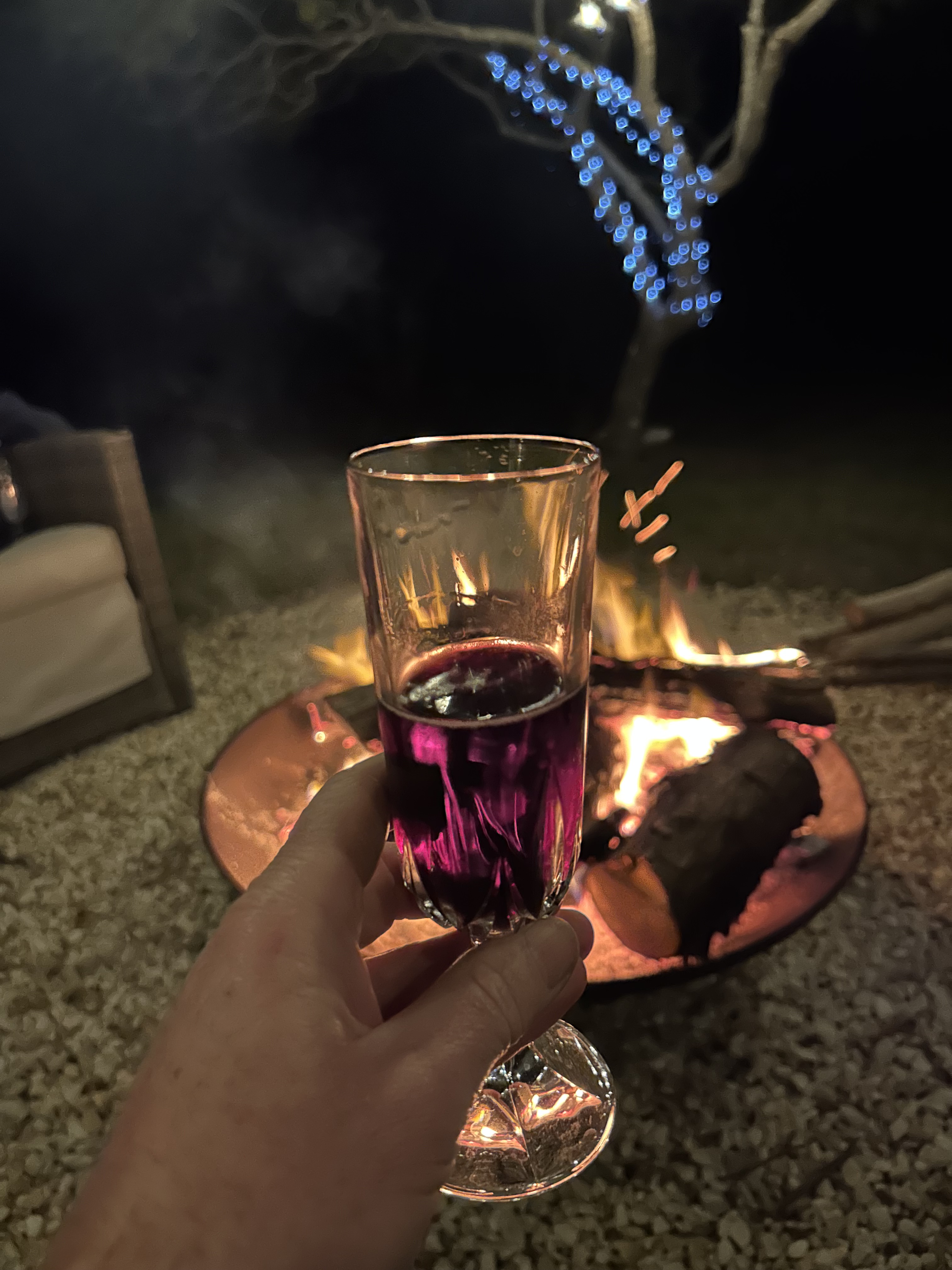
As a complete novice, planting a new vineyard is an exciting excuse to do something I’ve always wanted: to get closer and better connected to the land.
While it’s technically accurate to call my patch a vineyard, I feel the Italians have a nicer description for it: ‘Vignetino’—implying a small, intimate plot that grows grapes simply for the joy of hospitality.
We are on the mid-north coast of NSW, the tourism folks call it the ‘Barrington Coast’. The farm is 4km from the beach, so from a gardening perspective we have no frost and plenty of humidity. This year (2026), I planted our first vines. If all goes to plan, we’re looking at a modest yield of 60 to 80 bottles per harvest, with the first vintage in 2029. I’ll be sharing the milestones on ‘Field Notes’ and ‘Second Ripple’ YouTube channel.
While the scale is small, that harvest should be plenty to keep family and friends supplied and tethered to the ‘vignetino’. Getting everyone involved builds a wonderful camaraderie, and it adds a whole new layer of meaning to what’s on the table for Christmas or special occasions. There is already some spirited family lobbying for non-alcoholic grape juice, too—so we have three years to debate how the fruit will ultimately find its way to the glass.
Choosing the Grape Variety
Choosing what to plant was surprisingly straightforward, thanks to some invaluable local wisdom. I had a chat with a commercial vintner running a much larger vineyard nearby. She gave it to me straight, sharing her candour about the very real economic pressures facing commercial growers today, alongside two vital technical realities: the complexity of winemaking and the high risk of disease in humid coastal conditions.
In the end, I settled on Chambourcin, a practical, medium-bodied grape known for its strong natural resistance to humidity-related diseases like rust. It’s wonderfully versatile—good for table grapes, and even better as a medium-body red wine that according to the experts is easier to make than white wine.